
- The Municipal Assemblies of the cities of Beira and Nacala in Mozambique have officially approved their urban plans, supported by GCIEP.
- This legislative milestone moves the plans towards action in guiding sustainable, climate-resilient growth in the cities.
- The Mayor of Beira said the plans “respond to the aspirations of the community” and will “significantly improve quality of life” for citizens.
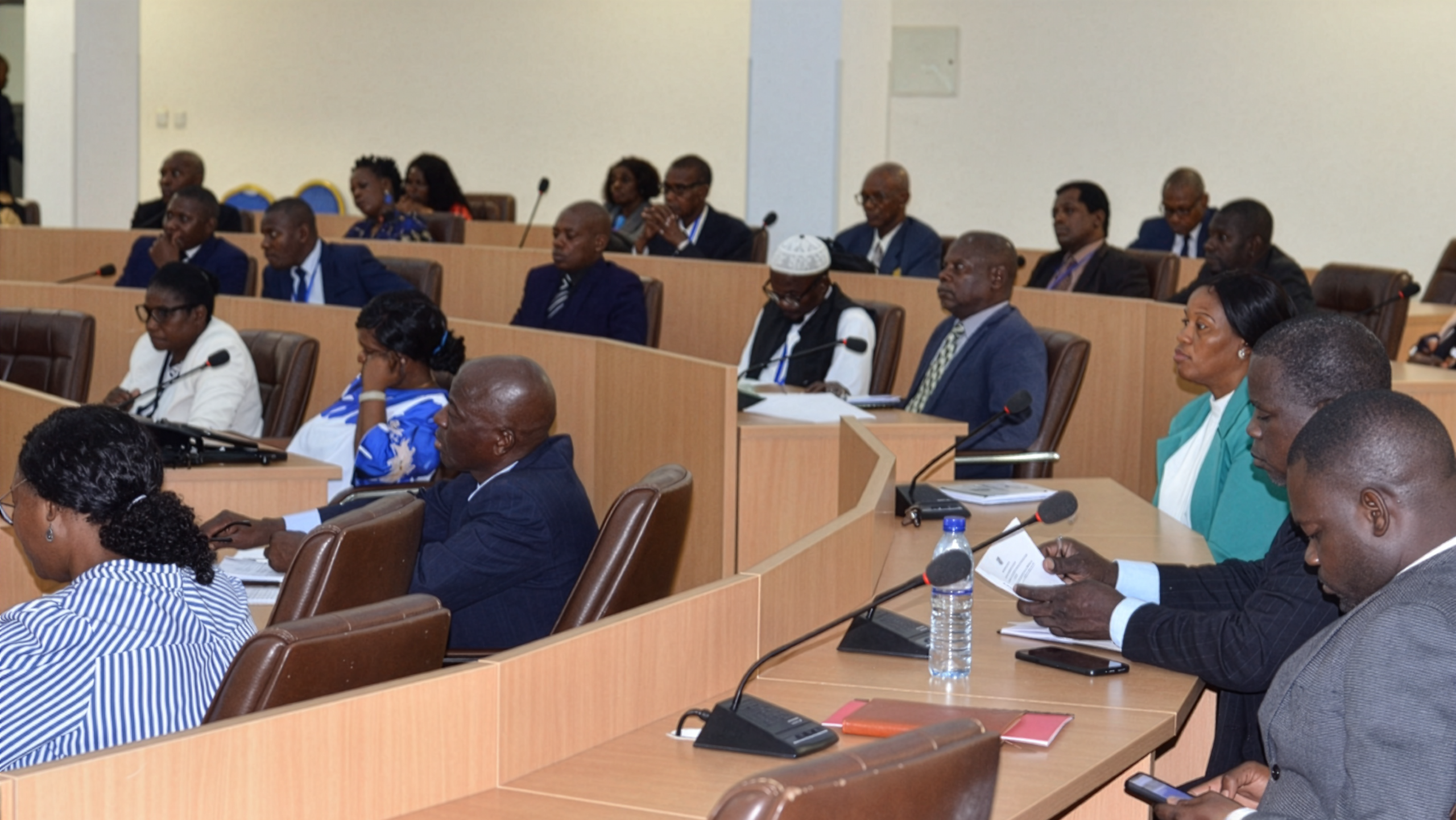
Members of the Beira Municipal Assembly gather to review the urban plan
Urban plans for the cities of Beira and Nacala, developed in collaboration with the Green Cities Infrastructure and Energy Programme (GCIEP), have been given the green light by their respective Municipal Assemblies.
The official approval marks a milestone, moving the plans towards implementation on the journey towards a sustainable, climate resilient urban future for the cities.
The Mayor of Beira, Albano Carige, underscored the strategic importance of the plan, highlighting its transformative potential.
“The Urban Improvement Plan for the Macurungo-Miquejo neighbourhood is a crucial instrument for renewal. Its implementation will significantly improve quality of life and respond directly to the aspirations of the community.”
The President of the Municipal Council of Nacala, Faruk Momade Nuro, previously hailed the plans as “a milestone of responsibility and future vision”.
Throughout the process, in collaboration with GCIEP, local stakeholders were engaged via participatory public hearings, including local residents, private sector companies, public institutions, civil society organisations, community leaders and NGOs. This ensured that diverse perspectives, aspirations and development priorities were reflected in the urban plans.
The urban plans were officially handed over to the Mayors of Beira and Nacala, marking the conclusion of the participatory formulation phase and the transition to the institutional phase. These were then submitted to the Municipal Assembly, an independent body which oversees the work of the Municipal Council. Their approval constitutes the final administrative validation stage, granting the plans legal, political and democratic legitimacy.
With that vital approval now in place, the next steps for the plan include: submission to national authorities for ratification and publication; mobilising resources for their implementation; and establishing monitoring mechanisms to ensure that planned actions are carried out efficiently, transparently and with continued community participation.
The GCIEP country team noted that this journey demonstrates that participatory urban planning, when combined with strong institutional processes, provides a solid foundation for promoting inclusive, resilient and sustainable urban development, aligned with the real needs of communities.
The UK’s Green Cities, Infrastructure and Energy Programme is tackling climate change and extreme poverty by accelerating the delivery of sustainable green cities and climate-resilient infrastructure.
Published
14/01/26