
- GCIEP has completed a strategic week-long mission to Northern Ghana to advance critical sanitation infrastructure.
- The engagement focused on revising feasibility studies for Faecal Sludge Treatment Plants (FSTPs) in three cities.
- By aligning with international funding standards and integrating circular economy principles, the projects are now poised to attract investment.
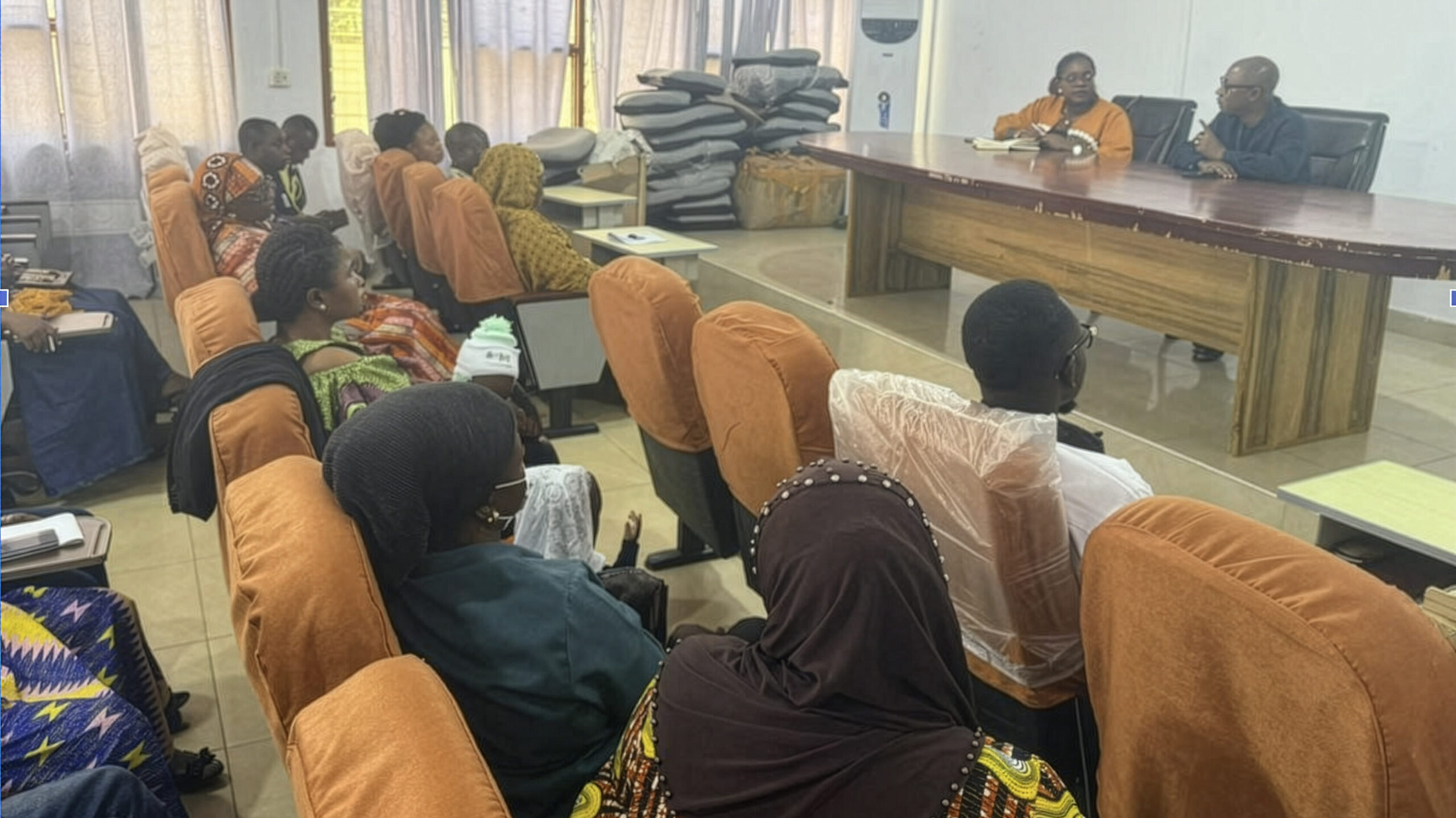
GCIEP’s mission included consultations with the Wa Municipal Assembly
A strategic mission to Ghana’s Northern Region has marked a significant step forward in bridging the gap between technical planning and large-scale investment for urban sanitation.
In late January 2026, the Green Cities, Infrastructure and Energy Programme (GCIEP) Country and Urban Leads engaged with senior leadership across the municipalities of Wa, Bolgatanga and Yendi to accelerate the delivery of climate-smart sanitation solutions.
According to the latest WHO/UNICEF Joint Monitoring Programme (JMP) data, only 19% of Ghana’s population has access to safely managed sanitation. The majority of the country relies on on-site facilities like septic tanks and pit latrines, where waste often goes untreated. To address this, the programme is prioritising the development of Faecal Sludge Treatment Plants (FSTPs) – specialised facilities designed to receive and safely treat human waste collected from on-site systems, rather than relying on expensive underground sewer networks.
Crucially, the mission focused on pivoting these facilities to function not just as waste disposal sites, but as engines of a circular economy. The revised designs aim to recover value from waste, converting treated sludge into safe agricultural compost and low-carbon fuel briquettes and potentially capturing methane for fuel. This ‘waste-to-wealth’ approach turns a public health hazard into an economic asset, significantly improving the financial viability of the plants while reducing greenhouse gas emissions.
During the visit, the team held high-level discussions with Municipal Coordinating Directors, Municipal Chief Executives and Environmental Health Officers. These sessions provided an opportunity to apprise leadership of the progress on the feasibility studies and to align the technical designs with the specific needs of the municipalities. The engagements reinforced the importance of these projects for local climate resilience and inclusive economic development.
The mission resulted in strengthened alignment between the programme, national institutions and development partners. Notably, the European Union (EU) has indicated an interest in financing sanitation investments in the three target cities.
The meetings concluded with a clear commitment from the Assemblies to work closely with the Ministry of Local Government, Chieftaincy and Religious Affairs and the Ministry of Finance to mobilise the necessary funding for implementation.

The UK’s Green Cities, Infrastructure and Energy Programme is tackling climate change and extreme poverty by accelerating the delivery of sustainable green cities and climate-resilient infrastructure
Published
16/02/26