
- GCIEP has collaborated with the Government of Zimbabwe to create the country’s first policy framework for mini-grid development.
- Over 100 stakeholders representing 52 national and subnational institutions informed the development of the framework, ensuring inclusive representation.
- The Ministry of Energy and Power Development will now use the policy framework to integrate mini-grids into national planning and coordinate with regulators and developers.
Across Zimbabwe, fewer than one in four rural households have access to electricity. For many communities, connection to the national grid could take 10–15 years – but a well-designed mini-grid can be built in just a few months, at significantly lower cost. Mini-grids offer a fast, practical and reliable way to expand energy access where it is needed most, making them central to Zimbabwe’s ambition to achieve universal energy access by 2030.
The Green Cities, Infrastructure and Energy Programme (GCIEP) has worked with the Government of Zimbabwe to develop a clear and practical national policy framework to accelerate mini-grid development. This will help improve the enabling environment for mini-grid development and provide important policy guidance for public- and private-sector investment – ensuring that mini-grids can be deployed more efficiently, attract the right kind of investment, and support development in rural areas that the national grid cannot reach soon.
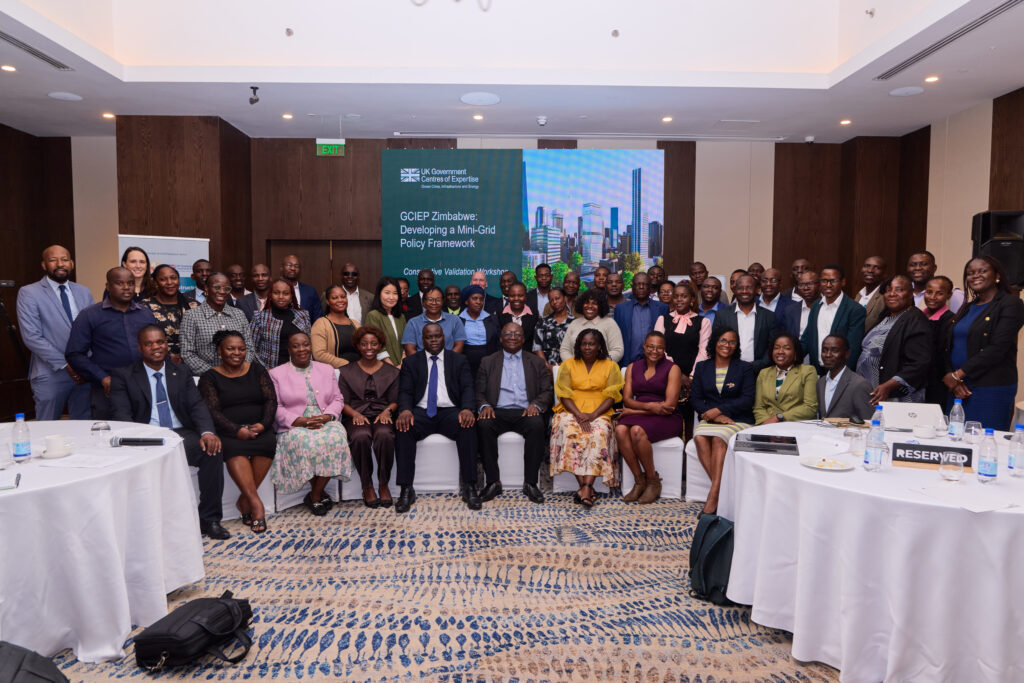
GCIEP developed the policy framework through an extensive stakeholder consultation process to ensure it was grounded in Zimbabwe’s business, economic and institutional context. This involved both one-on-one meetings and consultative workshops in the cities of Mutare and Gweru, allowing over 100 stakeholders representing 52 national and subnational institutions to contribute to the framework’s development. GCIEP placed particular emphasis on inclusive representation, with participants drawn from central and local government, community representatives, the private sector, civil society organisations and international development partners.
The resulting policy framework comprises three main elements. The first is a set of guiding principles underlying mini-grid infrastructure development and operation. The second is a collection of references to relevant legislation, regulations and institutional arrangements associated with mini-grid infrastructure development and operation. The third is a set of suggestions for enhancing private investment in mini-grid infrastructure.
GCIEP has aligned the framework’s policy suggestions with Zimbabwe’s existing legislation and national development policies. The framework also draws on international experience and lessons learned from mini-grid infrastructure elsewhere in Africa – especially Kenya, Nigeria and Rwanda, where mini-grid development has received significant investment.
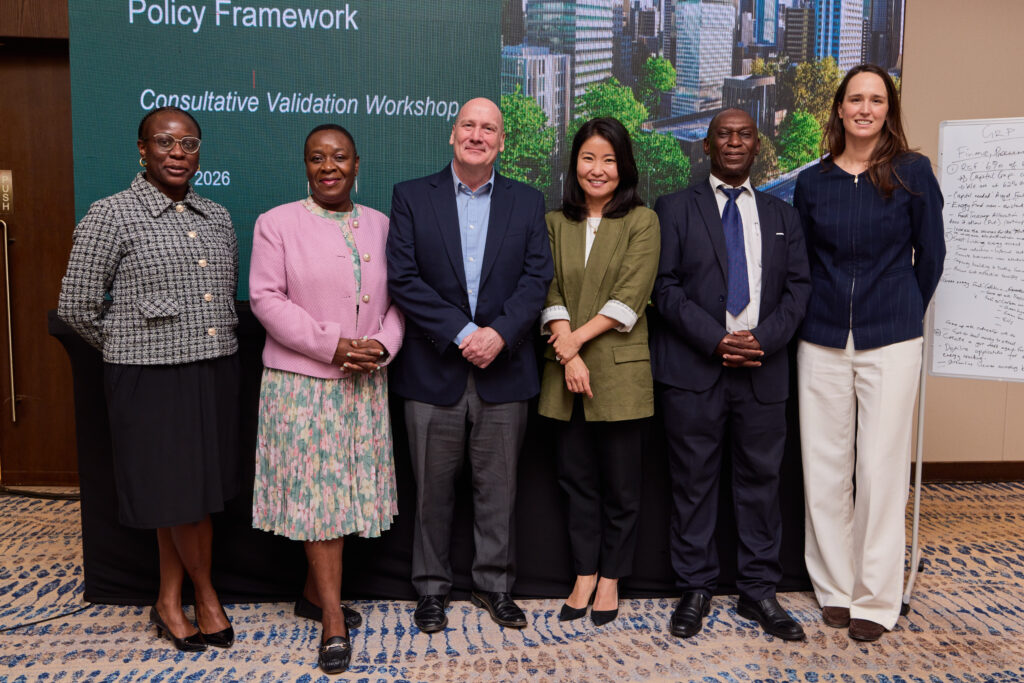
Thanks to this collaboration with GCIEP, the Government of Zimbabwe now has a structured framework to assess, plan, develop, regulate and operate mini-grids. This will contribute to a more predictable, transparent and investor-friendly environment for mini-grid development in Zimbabwe, supporting increased private-sector participation in this vital work. For investors, this should translate into a clearer pipeline of projects, defined rules, and growing opportunities for distributed renewable energy investment across underserved communities – with Zimbabwe’s Investment and Development Agency serving as the entry point to guide new investments.
With the policy framework now in place, the Ministry of Energy and Power Development will integrate mini-grids into national planning and coordinate with regulators and developers. By creating a more predictable pathway for private investment and project delivery, the Government of Zimbabwe will be better equipped to achieve universal energy access by 2030.
The UK’s Green Cities, Infrastructure and Energy Programme is tackling climate change and extreme poverty by accelerating the delivery of sustainable green cities and climate-resilient infrastructure.
Published
05/03/26