
- Between 12 and 26 January 2026, GCIEP help one-on-one meetings with 15 organisations relevant to Surabaya’s Urban Rail Transit System.
- Organisations included the Directorate General of Railways at the Ministry of Transportation, the Ministry of National Development Planning and Jakarta Mass Rapid Transit.
- The findings from the interviews will inform a gap analysis comparing existing arrangements with international best practice.
Surabaya, the capital of East Java and Indonesia’s second-largest city, is looking to invest in sustainable, accessible urban rail. The Urban Rail Transit System (URTS) project has the potential to transform travel for many of the city’s residents, but faces a complex stakeholder landscape. Diverse local communities and economic interests must be carefully considered to avoid social or economic disruption, and the scale of the project will require coordinated involvement from provincial and central government authorities. These and other challenges could risk the timely approval and implementation of the project.
Addressing these challenges requires clear institutional roles, strong coordination mechanisms and early engagement with affected communities and sectoral agencies to reduce delays and ensure the project meets both technical and social expectations.
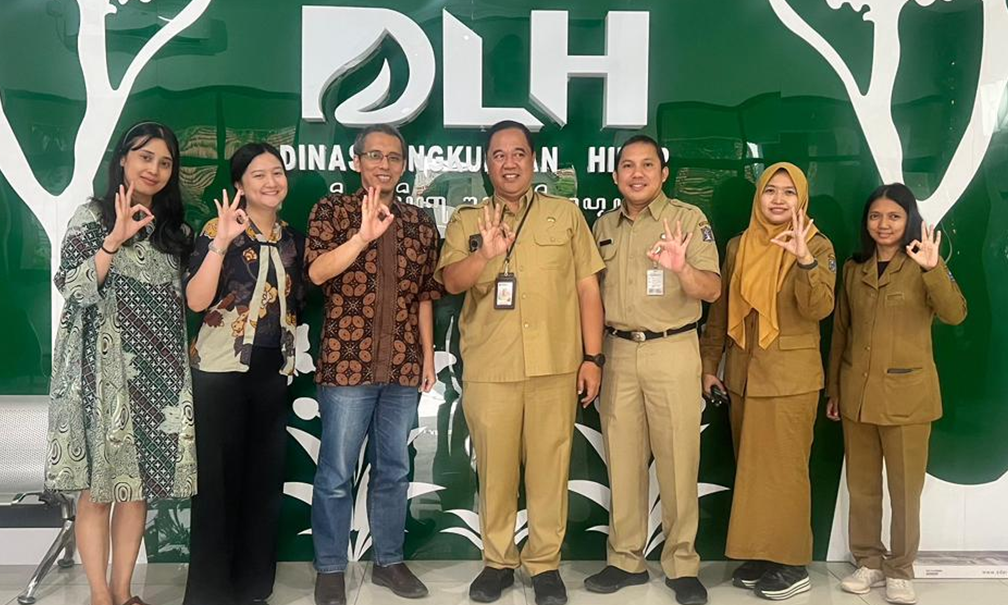
Between 12 and 26 January 2026, the Green Cities, Infrastructure and Energy Programme (GCIEP) held one-on-one meetings with 15 organisations representing national, provincial and city governments as part of the Project Development Routemap for URTS. These organisations included the Directorate General of Railways at the Ministry of Transportation, the Ministry of National Development Planning, Jakarta Mass Rapid Transit, and sector agencies from East Java Province and Surabaya City covering planning, transport, housing, environment, social affairs and public works.
These meetings allowed GCIEP to collect detailed institutional and social evidence to support early-stage rail project preparation. The one-on-one nature of the discussions allowed stakeholders to openly share concerns and expectations, providing candid insights into governance arrangements, capability gaps and coordination challenges.
The information gathered during these interviews provides a clearer understanding of the ways national, provincial and city institutions interact in practice – not just in theory – and where possible barriers may arise in the rail project. Among other findings, the interviews highlighted that the proposed rail corridor crosses several jurisdictions, creating risks related to permitting, land acquisition and inter-agency decision-making.
These and other insights will now feed into a gap analysis comparing existing arrangements with international best practice. This, in turn, will shape specific recommendations on institutional roles, capacity building and stakeholder engagement that aim to reduce risk and improve the quality of planning and coordination before the procurement and design stages.
The significance of this work extends beyond the project itself. By strengthening coordination and clarifying responsibilities early, GCIEP is supporting a technically sound and socially acceptable urban rail system that can serve residents and boost economic activity across Surabaya. In line with this goal, GCIEP will now focus on building the capacity of government partners to move the URTS towards implementation.
The UK’s Green Cities, Infrastructure and Energy Programme is tackling climate change and extreme poverty by accelerating the delivery of sustainable green cities and climate-resilient infrastructure.
Published
27/02/26