
- GCIEP is working with the Government of Zambia to prioritise critical transmission investments to relieve network constraints, expand national generation capacity, accelerate renewable energy deployment, strengthen energy security and drive economic development.
- The programme works closely with key partners, including ZESCO Limited, Ministry of Energy, Ministry of Mines, Southern African Power Pool, East African Power Pool and First Quantum Minerals, to ensure investments deliver maximum economic and societal impact.
- With prioritisation nearing completion, the government is preparing to mobilise financing for selected projects through engagements with development finance institutions and private sector investors.
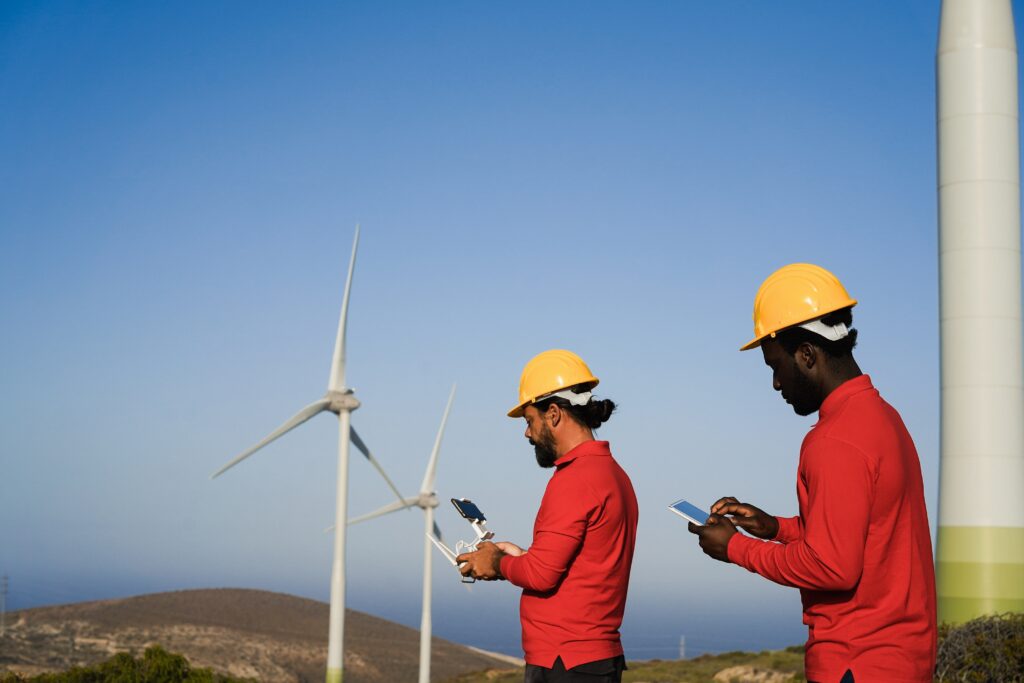
Zambia's energy sector stands at a pivotal moment. The country's Integrated Resource Plan (IRP) identifies the generation, transmission and distribution infrastructure investments required to meet future demand, but translating that plan into prioritised, actionable decisions remains a critical challenge. With limited public funds and competing investment needs, the Government of Zambia requires clear, evidence-based guidance on which projects to advance first and which will deliver the greatest national benefit.
The Green Cities, Infrastructure and Energy Programme is addressing that challenge. Working in close collaboration with the Zambian national power utility, ZESCO, Ministry of Energy, Ministry of Mines, Industrial Development Corporation and regional bodies such as the Southern African Power Pool, GCIEP’s analysis ranks and prioritises the critical transmission investments necessary to scale national generation capacity to the ~6,000 MW target recommended by the IRP. A key part of this work involves validating the IRP against current realities, ensuring recommendations reflect today's context, rather than yesterday's assumptions.
Strengthening the transmission network is essential for Zambia's renewable energy ambitions, energy security and broader economic development. Reliable power underpins the expansion of the country’s copper and critical minerals mining sector and enables growth in other industries. The work also assesses opportunities to develop regional interconnectors, facilitating cross-border energy trade across Southern, Central and East Africa, and contributing to the development of deeper, more integrated regional energy markets.
The benefits of this work will be felt across society. New customers will gain access to the grid, mining investments will be unlocked, Zambia's energy mix will be diversified, and public funds will be directed where they deliver the greatest impact. With Zambia heavily reliant on hydropower, diversifying the energy mix is also essential to build resilience against drought and other climate-related shocks that pose a growing threat to energy security across the region.
"By identifying the infrastructure projects that are most critical, this work will help us direct investment where it will have the greatest impact – for renewable energy, for regional trade and for our customers”, said Fitzpatrick Kapepe, Director of Strategy and Business Development at ZESCO Limited.
With the prioritisation work nearing completion, the government's next step is to mobilise financing for the selected projects. This will require coordinated engagement with external funding agencies and private sector investors – particularly for transmission upgrades tied directly to mining sector expansion. Completing the full transmission network upgrade plan remains a near-term priority, where GCIEP’s work is giving the government a roadmap for sequencing financing and implementation, enabling Zambia to move from planning to delivery and secure a resilient, future-ready energy system.
The UK’s Green Cities, Infrastructure and Energy Programme is tackling climate change and extreme poverty by accelerating the delivery of sustainable green cities and climate-resilient infrastructure.
Published
02/03/26