
- GCIEP has completed a multi-state assessment to map waste-to-value opportunities and identify investment barriers in Nigeria, laying the groundwork for future UK–Nigeria commercial engagement.
- The assessment was produced in collaboration with UK businesses, the UK Department of Business and Trade Nigeria, FCDO and the state governments of Abia, Kano, Lagos and Ogun.
- GCIEP’s next steps will focus on validation, dissemination and stakeholder alignment ahead of investment mobilisation.
Nigeria’s rapidly growing cities face significant climate and environmental pressures. Waste management is a particular concern, with an estimated 32 million tonnes of waste produced every year – a figure that is expected to triple by 2050. Despite this, there is only limited recycling or waste-to-value initiatives in Nigeria; for example, of the 12 million tonnes of plastic generated each year, less than 10 percent is recycled. As with other environmental challenges, this disproportionately affects low-income communities and informal workers, including women and youth working in the waste economy.
International investment could help boost Nigeria’s waste management industry, but foreign investors face regulatory, political and operational barriers that limit market entry. As a result of underdeveloped recycling and waste-to-value initiatives, Nigeria is missing out on significant investments from the $10-billion global circular economy market.
In response, the UK Department for Business and Trade in Nigeria is unlocking trade and investment opportunities for UK businesses in Nigeria’s waste-to-value sector. With GCIEP’s support, the project is identifying high-potential commercial opportunities as well as the barriers that UK businesses face.
The GCIEP team carried out research, stakeholder mapping and extensive consultations with Nigerian public institutions, private-sector actors, development partners and UK businesses. These engagements have included the State Ministries of Environment and Waste Management Authorities in Abia, Kano, Lagos and Ogun, and the Lagos State Environmental Protection Agency, among others.
GCIEP and its partners evaluated 12 waste-to-value subsectors, ranking five – plastic recycling, paper recycling, e-waste management, agricultural waste valorisation and refuse-derived fuel – where UK expertise and investment can improve the waste management sector and generate the highest potential returns for UK firms. The project has also identified critical success factors that will be needed to support such investment, and mapped the opportunities, constraints and stakeholder readiness.
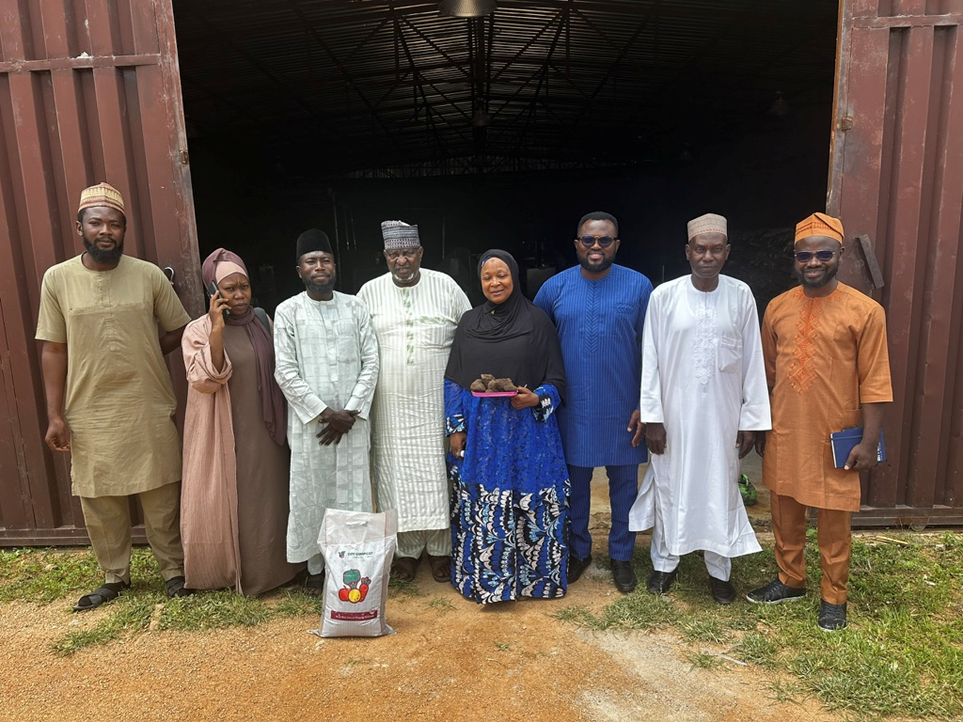
These findings and associated recommendations have been collected into a report for the UK Department for Business and Trade in Nigeria that supports waste-to-value investment readiness across Abia, Kano, Lagos and Ogun states. The report, and the project as a whole, will improve UK firms’ understanding of the Nigerian waste management market while supporting Nigerian institutions to engage more effectively with private investors.
This report arrives in an encouraging economic setting, with the annual UK–Nigeria trade in goods and services having recently reached £8 billion and looking set to grow. Additionally, the UK’s comparative advantage in quality assurance, food-grade certification, and high-value sorting and washing technologies gives British firms an immediate and practical role to play in Nigeria’s nascent waste-to-value sector.
GCIEP is now validating the assessment findings before disseminating them to UK businesses and stakeholders in the Nigerian and UK governments, with the aim of supporting investment into Nigeria’s waste-to-value sector. The ambition is that this will help lay the groundwork for future projects that improve the environment, create jobs and boost UK investment in one of Nigeria’s most pressing urban challenges.
The UK’s Green Cities, Infrastructure and Energy Programme is tackling climate change and extreme poverty by accelerating the delivery of sustainable green cities and climate-resilient infrastructure.
Published
13/02/26